Planning a new fence in Lufkin is exciting, but many homeowners don’t realize that fence height, placement, HOA rules, and city ordinances can all affect the final design. Understanding those requirements early can help you avoid delays, redesigns, and unexpected costs.
As a Lufkin, Texas fence company, Blume & Son Construction walks homeowners through these details before installation begins, so the project stays on track once work starts.
The best starting point is understanding how Lufkin, TX’s height and placement regulations affect your specific yard. Once those limits are clear, it becomes easier to compare materials, privacy needs, gate placement, HOA expectations, and budget without having to restart the plan later.
Start With Lufkin, TX Fence Height Rules
Front Yard and Backyard Height Limits
The City of Lufkin, TX’s zoning ordinance sets clear limits on fence height. A fence over 4 feet generally cannot be placed in the required front yard unless the property is larger than 4 acres, in which case a taller, non-sight-restrictive fence, such as chain link or wrought-iron, may be allowed.
Fences elsewhere on the property are limited to 8 feet unless the City Planner or City Engineer approves an exception for elevation differences or added security.
Knowing the difference between front-yard and backyard height limits before selecting materials can save time and prevent redesigning part of the project after planning is already underway.
Choosing Materials Within Height Limits
Height rules can also affect material choices. An open chain link or ornamental steel fence can preserve visibility where sightlines matter, such as a corner lot.
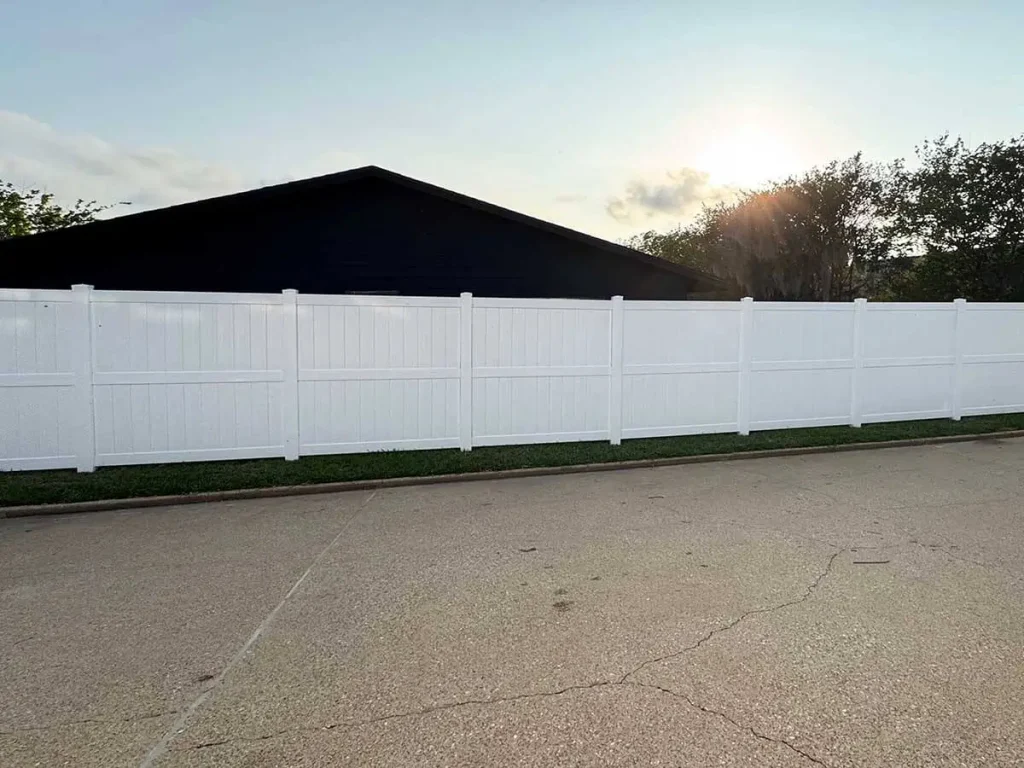
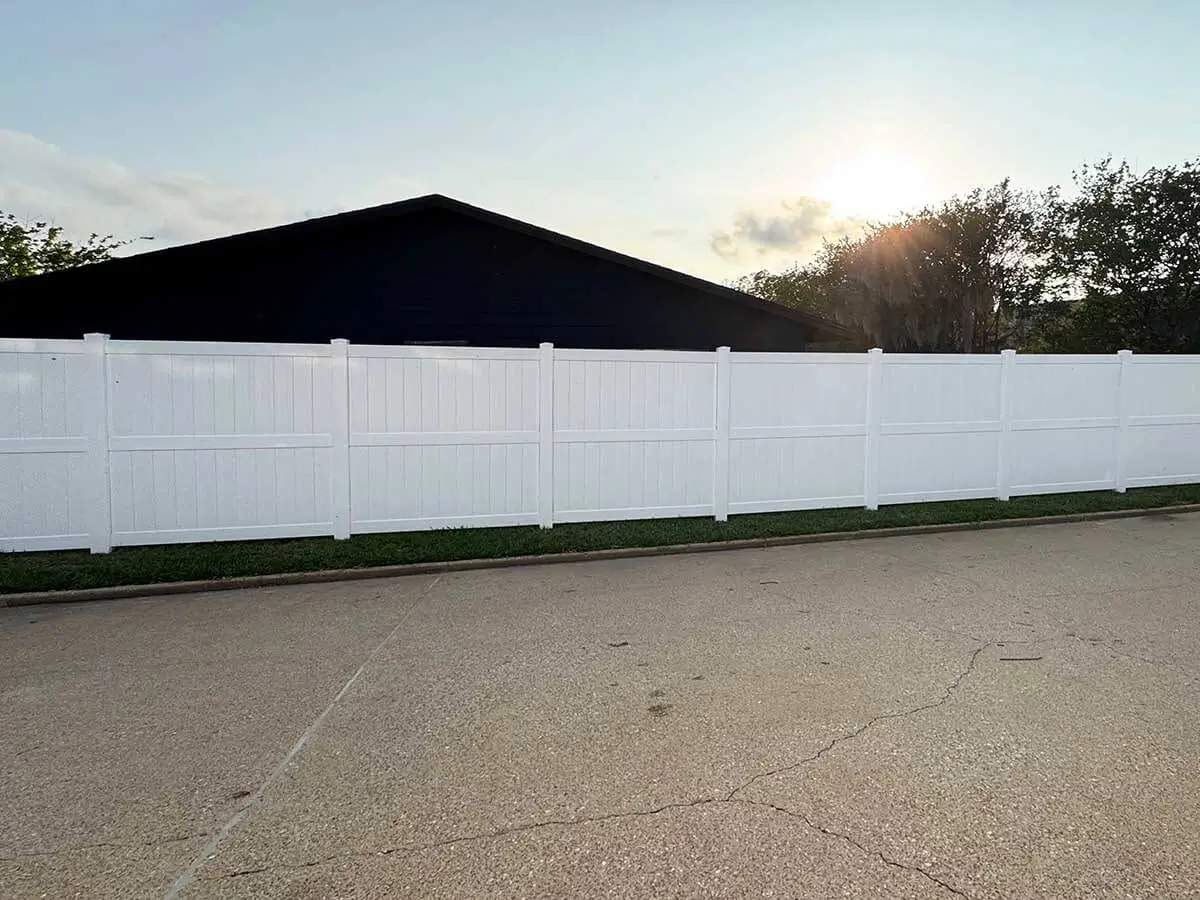
A wood or vinyl privacy fence may be better suited to a backyard where the ordinance and property layout allow greater enclosure. Once the height range is clear, the next question is where the fence can actually sit on the lot.
Setbacks and Property Lines Can Change the Plan
Placement standards are just as important as height. Some of these standards include:
- City code keeps fences out of the street right-of-way and out of the sight triangle at intersections.
- Fences can’t block access to a fire hydrant or utility meter without City Engineer approval.
- Fences must also be set at least 10 feet back from the street, measured from the curb or pavement edge.
This can affect corner lots, front-facing yards, and properties near busy Lufkin, TX corridors, such as South First Street or Loop 287, where clear visibility is essential to a safe fence layout.
As an East Texas fencing contractor, our team pays close attention to how placement rules connect to drainage, access, and long-term fence performance.
Those considerations become especially important after East Texas rainstorms, when water naturally follows drainage routes across many properties. A poorly planned fence line can unintentionally trap runoff instead of allowing it to move away from the yard.
Verify Property Boundaries Before Installation
A fence should follow the correct boundary and avoid creating confusion with a neighboring yard. On older in-town lots or properties with sheds, driveways, trees, or utility access near the edge of the yard, a small layout issue can become a larger installation problem.
Before installation, it’s worth pulling your survey and any HOA documents so the fence can be planned with fewer surprises.
HOA Rules May Be Stricter Than City Rules
City rules set important limits, but they are not always the only restrictions that apply. If your Lufkin, TX property is part of a homeowners association or deed-restricted neighborhood, those documents may include requirements for fence height, materials, color, style, or placement.
Those rules can be stricter than the city’s, especially when a fence faces a street or shared neighborhood space.
In Lufkin, TX neighborhoods with deed restrictions, that review may follow a similar focus. These requirements vary by community, so it’s worth reviewing documents before finalizing a design rather than after materials are ordered.
That extra step can be especially helpful in newer subdivisions where fence styles are expected to remain consistent throughout the neighborhood. Blume & Son Construction can help you think through practical fence options, but HOA approval should always be confirmed directly with your association.
Match the Fence Height to Its Purpose
Privacy, Visibility, and Everyday Use
Fence height should support the reason you’re building the fence in the first place. A backyard privacy fence may be taller than a front yard fence, depending on the setting. A pool fence may also need to meet safety-related requirements, so homeowners should confirm which apply before confirming other details.
A taller privacy fence can work well for outdoor living spaces where homeowners want more separation from neighbors or street view. That can be especially useful on narrow in-town lots, homes backing up to busier roads like Timberland Drive, or backyards where a patio or pool area sits close to the property line.
Wood, vinyl, and specialty fences can all provide additional privacy when local regulations and property layout allow.
Defining Property Boundaries
For larger residential lots on the outskirts of Lufkin, TX, homeowners may prioritize clearly defining property lines while maintaining visibility across open portions of the yard.
Open-style chain link fencing can also be planned at lower heights on residences where visibility and containment matter more. Aluminum, ornamental steel, wood, vinyl, and specialty options can also define a property line or create a safer enclosed space for kids and pets.
Purpose, placement, and material all work together. Once you understand which fence heights, materials, and locations are permitted, comparing costs becomes much easier because you’re evaluating options that actually fit your property.
Budget Comes Into Focus After the Rules
Taller fences generally require more material, and some designs may require additional planning to remain stable in East Texas clay soil conditions. That’s why budget is worth weighing alongside compliance, rather than after the design is already locked in.
Project costs can also change when a fence layout includes extra gates, a long side-yard run, a slope, or a fence line that wraps around mature pine trees and drainage areas.
Those details change the amount of material, hardware, and labor involved, even when two properties choose the same fence type. Choosing the right fence is about balancing privacy, appearance, durability, budget, and applicable rules for your Lufkin, TX property.
Plan Your Lufkin, TX Fence With Us
Every successful fence project begins with careful planning. Reviewing height limits, setbacks, HOA requirements, material options, and your property’s layout before construction helps reduce surprises and makes the installation process much smoother.
Blume & Son Construction can help you compare fence options for privacy, security, pool areas, boundary lines, and decorative designs. Our process includes measuring the property, helping you choose a fence style, and handling delivery and installation so the finished layout reflects your goals and the site’s practical limits.
If you’re ready to plan a new fence in Lufkin, TX, reach out to a local Lufkin, Texas fence company. Call (936) 305-9303 or use our contact page to schedule a consultation.